Most standard cement board is water-resistant, not waterproof.
That does not make it a bad board. We use cement-based materials every day, and a properly built cement-board shower can serve well for years. The confusion starts when “the board can handle water” turns into “the board is my waterproofing.”
If that question brought you here, you are probably trying to choose a dependable wet-room system without paying for work you do not need. So let’s compare the whole job, not just the sheet.
Is cement board waterproof?
Standard cement board is a water-tolerant tile substrate, not the finished waterproofing layer. It resists moisture damage, but the shower assembly still needs a documented way to stop water reaching the surrounding structure.
Depending on the specified assembly, that can mean a barrier behind the board or a sheet or liquid waterproofing membrane over its face. Joints, corners, fixings, pipe penetrations and the drain connection all need the specified treatment. Tile and grout do not replace that work.
The TCNA B412 cement-board and fiber-cement-board assembly calls for a waterproof membrane or vapor retarder membrane to prevent moisture intrusion and protect adjacent building materials.
One exception matters: some specially manufactured cement boards have a factory-engineered waterproof core and test evidence for waterproofness. Check the exact product and its report. Do not assume that every gray cement-based sheet does the same job.
The sheet is only one line on the job
Cement board often wins the first comparison: the board itself is widely available and usually less expensive per sheet.
Fair enough. But nobody installs a pallet label in a shower.
With a conventional cement-board assembly, you may also be buying and scheduling:
- A separate waterproofing layer and its compatible accessories.
- Reinforcement and detailing at corners, seams, niches and penetrations.
- Labor to apply the system and check coverage or film thickness.
- Drying or curing time between coats and before the next stage.
- More handling, cutting and cleanup around the panels.
The exact list depends on the assembly. That is precisely why a board-only comparison tells you so little.
What changes with XPS backer board?
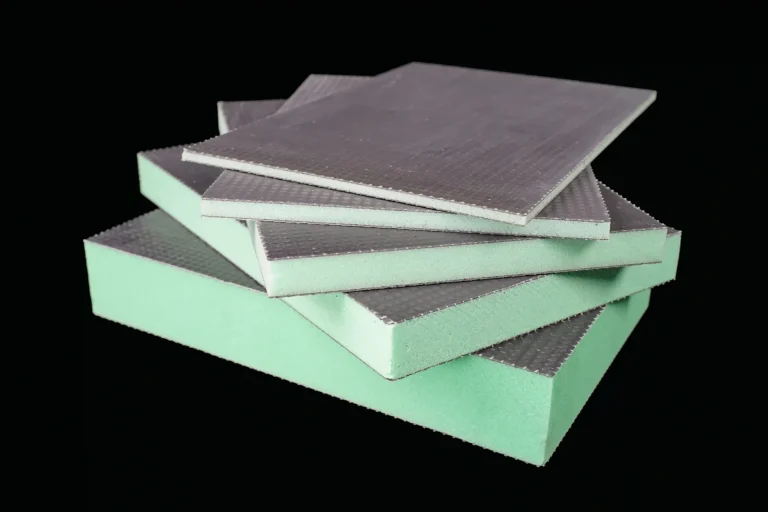
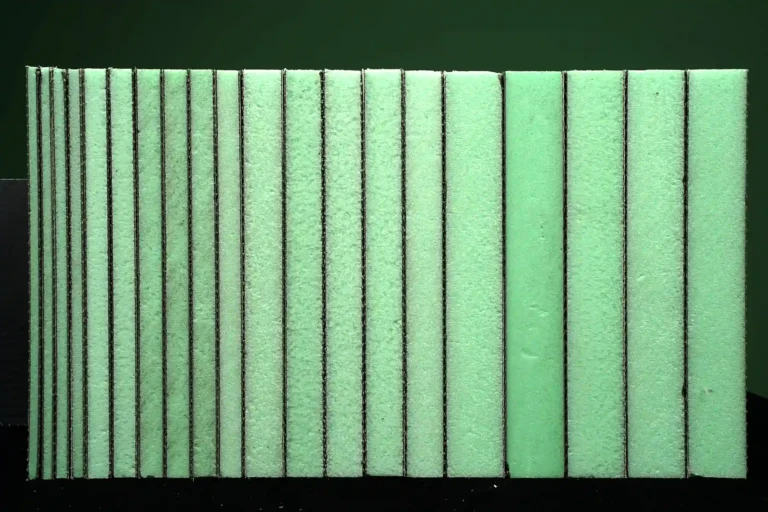
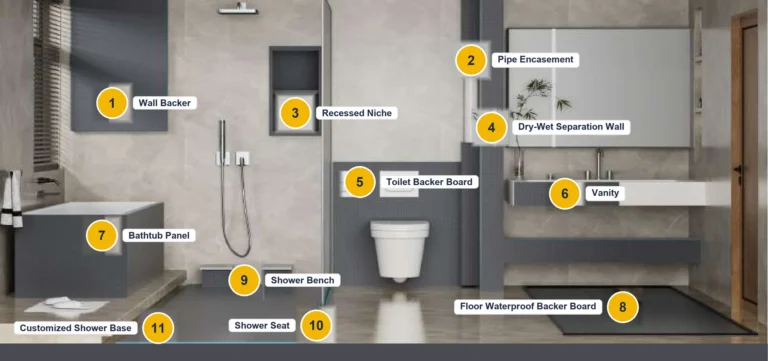
An XPS tile backer board combines a closed-cell foam core with mesh-reinforced, cement-coated faces. The faces receive tile adhesive. The core provides the panel’s waterproof barrier.
Factory data for our board reports 0.8% water absorption by weight after 96 hours of immersion. We will not put that beside a cement-board figure from a different test and call it a fair comparison.
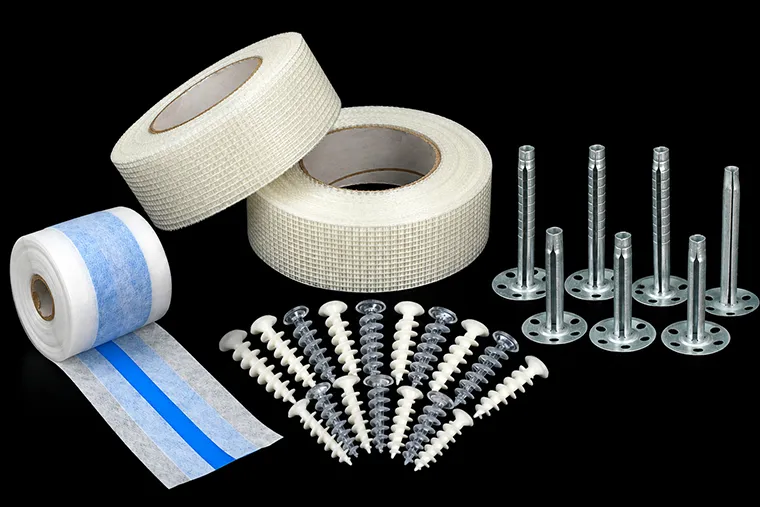
Here is the practical difference: once our 4–50 mm XPS tile backer board is installed and its seams, corners, fastener points, penetrations and pan connections are sealed with the specified system components, there is normally no need to add a separate sheet or liquid membrane over the whole board face.
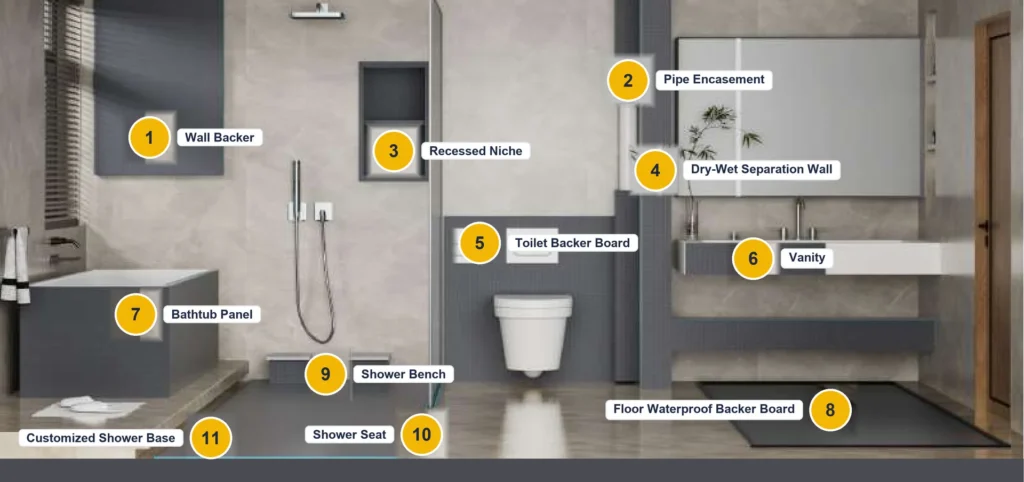
That removes a full-surface waterproofing operation. It does not remove waterproofing workmanship. An unsealed valve opening is still an unsealed valve opening.
For a broader material-by-material comparison, see Cement Board vs XPS Waterproof Backer Board: Which Belongs Behind Your Tile.
The work nobody puts in the first board comparison
Extra coats and the clock
With a liquid membrane, the instructions may call for more than one coat, a specified film thickness and a check for voids or thin spots. Then the coating has to dry under the actual site conditions.
Published technical data for one commonly used liquid membrane requires at least two coats for roller or brush waterproofing, with typical drying times of 1–1.5 hours per coat and longer times possible in cold or humid conditions. Those figures belong to that product, not to every membrane on the market.
So before calling either system faster, read the instructions all the way to tiling. The board is only the start.
Cutting, carrying and dust control
Cement board can be scored and snapped. When fiber-cement board is cut with a handheld power saw, however, US OSHA’s silica guidance calls for controls such as a suitable vacuum dust-collection system.
XPS backer board is lighter and can be cut with a utility knife and straightedge. That reduces the power-saw work and the handling effort. Power-cut the cement-coated faces and there will still be dust. Knife cutting is a different job.
Small details. Real labor.
When cement board is still the right call
Use the material the project actually requires.
Cement-based boards remain a sensible choice where a tested fire-rated assembly specifies them, where the location involves direct high heat, or where the project engineer calls for a particular heavy-tile or high-impact construction.
A familiar local system also has value. If the installer, supplier and inspector all work with one documented cement-board assembly, that coordination may outweigh the attractions of switching materials.
We would rather lose a board order than sell the wrong substrate.
So where does XPS offer better value?
For standard shower and wet-room walls where the XPS system suits the framing, finish and local requirements, XPS is the better-value system to price first.
We would not claim it wins every line item. It does not have to. One panel does two jobs: tile backing and the board-level waterproof barrier. You remove the separate full-surface layer and the work that comes with it, while handling a lighter panel.
So we compare the whole job, line by line:
- Boards and required waterproofing materials.
- Tapes, sealants, collars, fasteners and drain details.
- Installation labor, including every coat and return visit.
- Waiting time imposed by the chosen products and site conditions.
- Cutting, carrying, dust control and cleanup.
- Water testing and the next trade’s start date.
Use your local labor and supplier figures. Cement board may still win on your numbers. Where labor and return visits carry real weight, XPS has a strong case worth pricing.
If you want the shorter material comparison before building your own worksheet, read Tile Backer Board vs Cement Board: Which One Wins in Wet Rooms?
Frequently asked questions
Do I need a waterproof membrane over cement board?
For a conventional cement-board shower, you need a complete waterproofing strategy. Depending on the documented assembly, that may be a barrier behind the board or a membrane over its face. Follow the current installation instructions, project specification and local code rather than treating the board as the whole barrier.
Is XPS backer board waterproof without a membrane?
The XPS board provides a waterproof panel and normally does not need a separate full-surface sheet or liquid membrane. The shower is not complete until all seams, corners, fixings, penetrations and pan or drain connections are sealed with the specified system components.
Which is cheaper overall: cement board or XPS?
Standard cement board is often cheaper per sheet. XPS can offer better total installed value where the separate membrane, application labor, waiting, handling and cutting carry significant cost. Compare complete local bills of quantities rather than assuming either system always wins.
Your turn
Send us your shower sizes, wall build-up and tile format. Within one working day, we will come back with the board specification and a matched accessory list. Want to check the system in your hands first? Ask for a Project Sample Kit with board, sealant, tape and drain components.
Get the sample kit or send your project sizes | Review the 4–50 mm XPS tile backer board | Compare both systems in our detailed wet-room guide
Comparing boards for a wet room?
Tell us your shower sizes, wall type and tile format. We will confirm the board specification and send you a project sample kit.