For Arctic industrial camp wet areas, choose the backer board by repair access, wet duty, logistics and verified cold exposure, not by an “Arctic” label on a brochure.
XPS is a strong candidate for repeatedly used shower blocks and prefabricated camp bathrooms. It combines tile backing with a waterproof panel and can support a consistent, factory-prepared assembly. What we will not claim is a freeze-thaw rating that has not been tested.
Remote projects need fewer assumptions, not bigger adjectives.
Remote repair changes what “good value” means
In a city, a failed wet-room detail may be inconvenient. In a remote camp, the same failure can also involve technician travel, replacement materials, limited access and taking a shower unit out of service.
That changes the buying task. The board still matters, but so do the spare components, the clarity of the drawings and whether the maintenance team can identify the exact assembly used in each unit.
A sensible camp specification should answer:
- Can the same board and accessory set be repeated across the camp?
- Are joints, corners, valves and drains shown in buildable details?
- Can damaged areas be inspected without guessing which mixed products were used?
- Are replacement boards and sealing components included in the maintenance plan?
- Can preparation happen in a controlled workshop before shipment to site?
This is where standardization becomes an operational tool.
Separate heated camp use from cold transport and storage
A shower inside a heated accommodation unit does not expose its backer board to the same conditions as an exterior panel or an unheated module in storage.
Record the complete journey: workshop, packing, transport, storage, installation and operation. Then identify where the board may become wet, freeze, move or receive impact.
Factory data for our board reports 0.8% water absorption by weight after 96 hours of immersion, compressive strength of 361 kPa at 10% deformation, and compressive creep of 4.2% after 168 hours at 23 °C under 40 kPa.
Those results help assess water uptake and compression under stated conditions. The creep test temperature alone should make the limitation obvious: it is not an Arctic service test. None of these figures proves a specific number of freeze-thaw cycles or a minimum subzero operating temperature.
If camp transport or operation creates that exposure, define the test evidence and assembly review the project actually needs.
Why XPS belongs on the shortlist
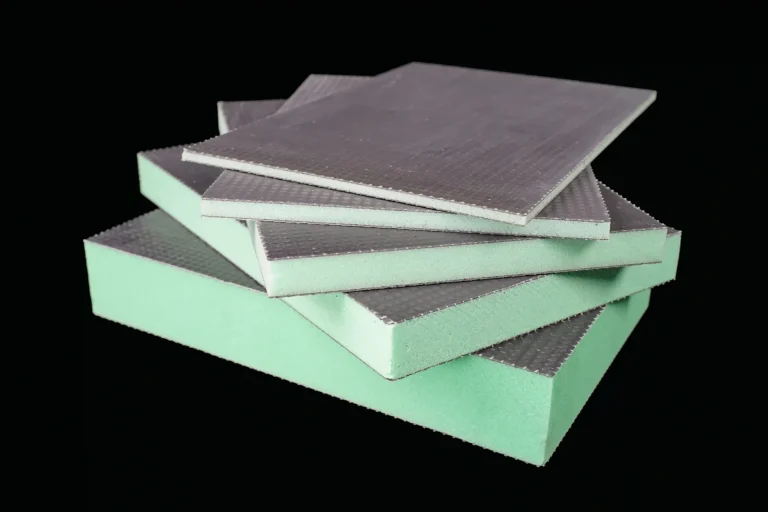
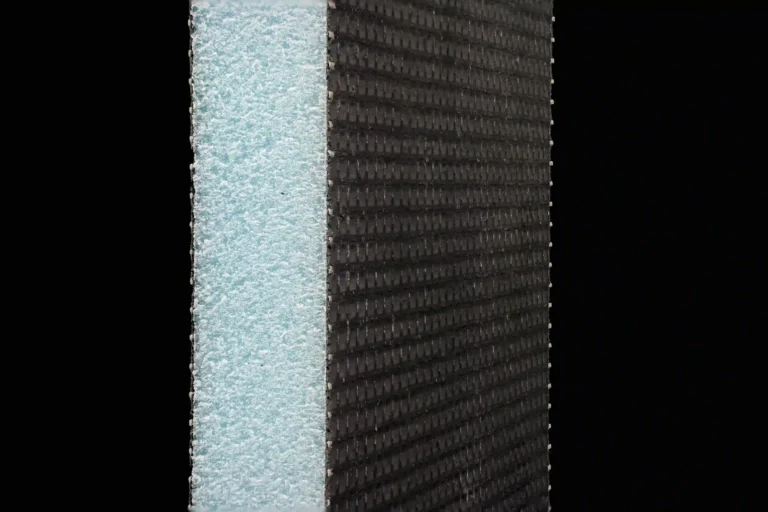
For heated camp showers and washrooms, our 4–50 mm XPS tile backer board provides a closed-cell waterproof core and reinforced cement-coated faces for tile application.
Once installed with the specified sealing system, the board normally does not need a separate sheet or liquid membrane over its whole face. That can reduce one full-surface site operation and make repeated bathroom units easier to plan.
The buyer’s result is not “maintenance disappears.” It is a more consistent assembly, with boards and components that can be documented, prepared and reordered as one system.
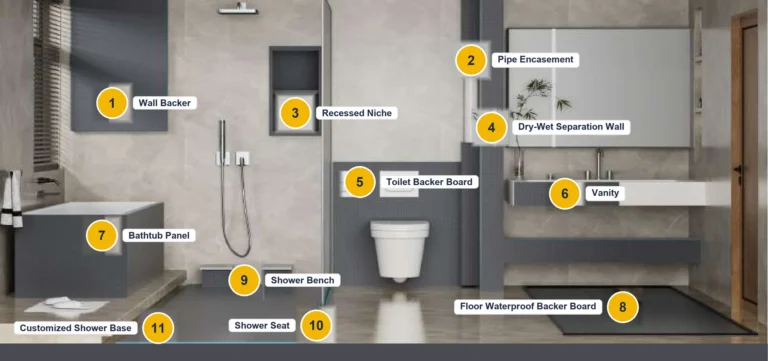
The wet-room elements allow the panel, tray, niche and related parts to be discussed together. The project team can then standardize the details around actual room layouts instead of redesigning every unit on site.
Build the camp package around repeatable details
For a multi-unit camp, we would organize the wet-room package by room type rather than by a loose pallet of boards.
A useful package includes:
- A room-specific board cutting list and identified panel sizes.
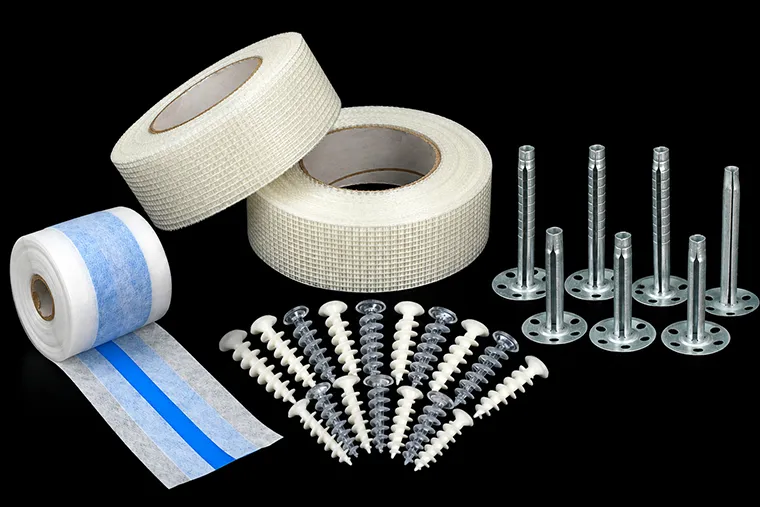
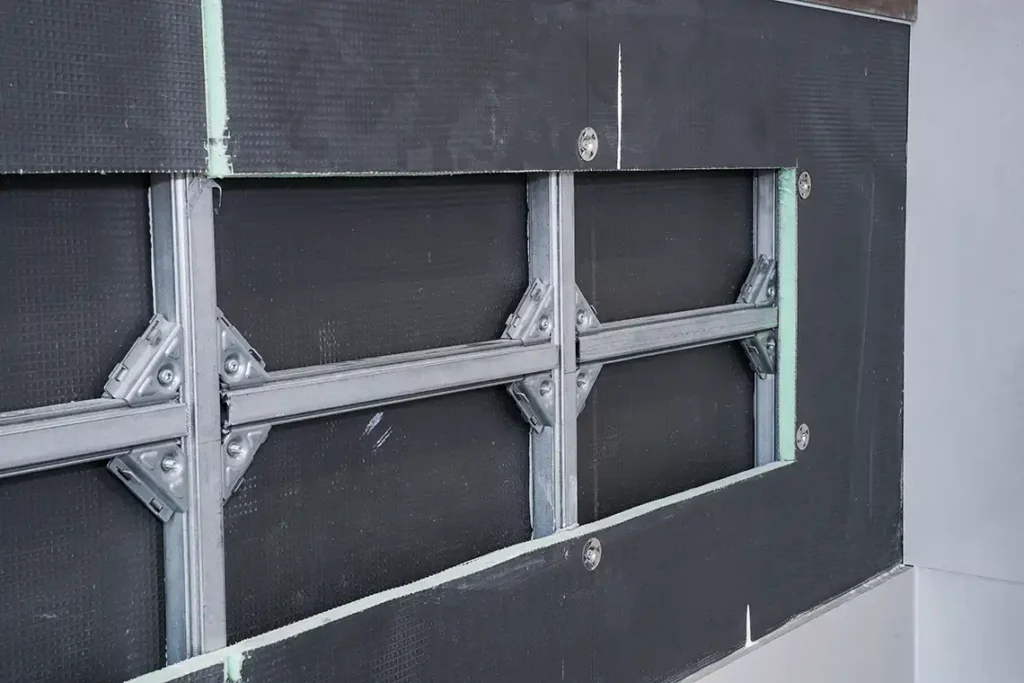
- Matched screws, washers, sealant, tape, corners and penetration details.
- Tray, drain and connection components for the selected layout.
- An assembly drawing that shows every sealed transition.
- Labels linking each component set to the correct room or module.
- A planned spare set for maintenance, based on the operator’s replacement strategy.
Custom cutting and workshop preparation can reduce site decisions. They do not remove the need to check actual dimensions, transport movement, installation conditions and local requirements.
For system planning, start with the wet-room application build-ups and then turn the selected arrangement into project-specific drawings.
Prefabrication helps, but curing rules still apply
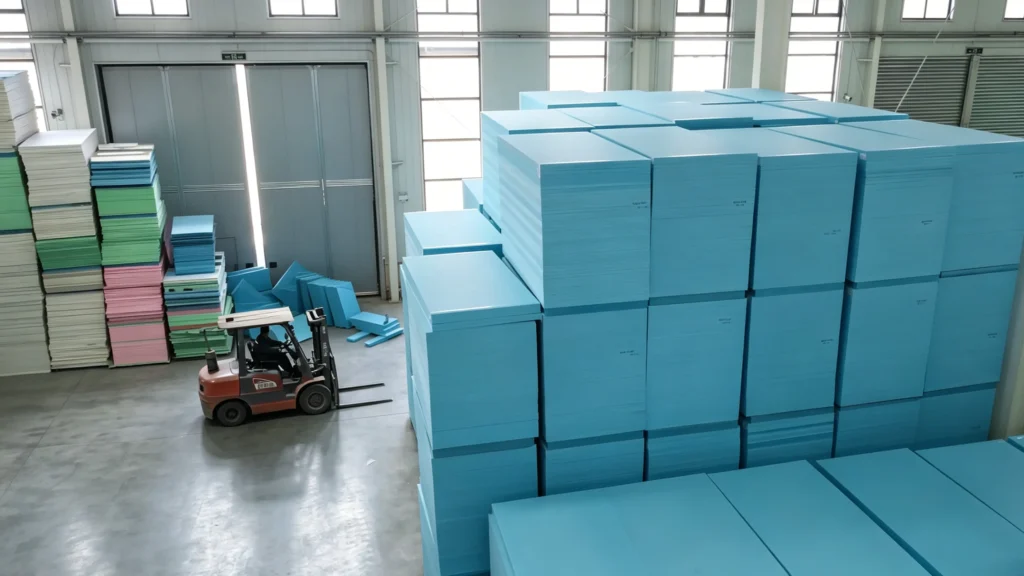
Preparing boards and assembling bathroom units in a controlled facility can be a sensible way to reduce work at a remote camp. It also gives the team a better place to check dimensions, sealing and water tightness before shipment.
Do not translate that advantage into “install everything below freezing.” Sealants, tile adhesives, mortars and grouts retain their own storage, application and curing requirements. The workshop or site area must meet those requirements.
Transport also needs a review. A completed module should be checked for movement and stress at joints, trays and connections according to its design. We will not invent a vibration rating for a board and call the whole module approved.
Where we would not approve an XPS substitution on brochure data alone
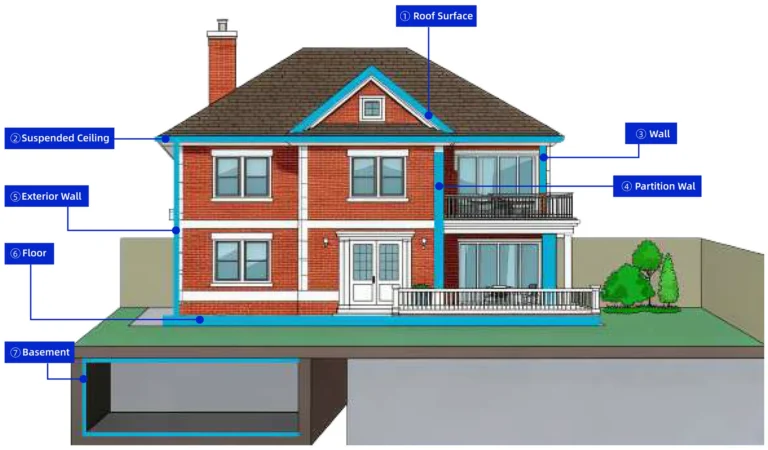
Pause if the board is part of an unheated exterior envelope, will undergo wet freeze-thaw cycles, must meet a specific fire-rated assembly, or carries a structural duty outside the documented application.
The same applies if the project requires a particular cold-climate, impact, chemical-resistance or transport test that is not in the evidence pack. Obtain the evidence or keep the specified material that already satisfies it.
For ordinary heated wet areas, however, there is no reason to reject XPS merely because the camp is remote. Judge the complete use condition and the complete system.
Our recommendation for camp operators and EPC teams
Use XPS as the first comparison for heated, repeatedly used shower and bathroom units, especially where prefabrication and standardized components can simplify remote work.
Then do three things before approval: map the temperature and moisture exposure, freeze the room-specific component list, and agree how inspection and spare parts will work after handover.
That is a camp-ready decision. Not just a cold-climate slogan.
Frequently asked questions
Is the current board evidence proof of Arctic freeze-thaw resistance?
No. Water absorption, compression and room-temperature creep data answer different questions. A project that requires freeze-thaw or minimum-temperature evidence should request the exact test and assembly review before approval.
Is XPS suitable for heated shower blocks in remote camps?
It is a strong candidate where the assembly, fire requirements, local code and installation conditions are satisfied. Its waterproof panel and matched components can support standardized, prefabricated wet-room units.
Should every camp bathroom use the same component set?
Use the same documented system wherever the room build-ups are genuinely the same. Different tray, drain, framing or service conditions may need different details. Standardize by room type, not by forcing one list onto every layout.
Your turn
Send us your camp room layouts, operating and transport conditions, unit quantities and wall build-up. Within one working day, we will return with a board and component checklist organized for your design and procurement review. A Project Sample Kit is also available for hands-on evaluation before standardizing the room package.
Send your camp layouts or request the sample kit | Review products for a standardized room package | See why matched accessories decide the wet-room result
Planning wet rooms for a remote camp?
Tell us your room layouts, temperature exposure and unit quantities. We will confirm the board specification and send you a project sample kit.