If your order is mainly 48 × 96 inch boards, we already have a thickness-by-thickness loading table for a 40HQ. If it combines 36 × 60 and 48 × 96 boards, do not stretch that table by area ratio and call the result a loading plan.
A workable 40HQ loading plan starts with four things: actual board dimensions, thickness, pallet configuration and everything else that must share the container.
The board size matters before the container count. It changes cutting, layout, handling and the number of joints on the wall. Only then does it change how the order should be packed.
36 × 60 and 48 × 96 solve different layout problems
The two sizes are not interchangeable labels for the same sheet.
| Nominal size | Approximate metric equivalent | Where it can make sense |
|---|---|---|
| 36 × 60 in | 914 × 1,524 mm | Smaller wall sections, rooms with more cuts, or a layout planned around a narrower sheet |
| 48 × 96 in | 1,219 × 2,438 mm | Larger wall runs where fewer sheets and fewer vertical joints are preferred |
Those metric figures are conversions, not a reason to silently change the ordered dimensions.
Our standard production sheet is 1,220 × 2,440 mm. Custom sizes can be produced within 600–3,100 mm long and 300–1,220 mm wide, subject to drawing confirmation. Both nominal imperial sizes fall within that range, but the purchase order should state the actual dimensions required.
That last sentence matters more than it looks. “Four by eight” in a conversation, 48 × 96 inches on a drawing and 1,220 × 2,440 mm on a production sheet should not become three quiet assumptions.
Choose the sheet from the wall layout first
A larger sheet can reduce the number of board joints on a broad, regular wall. It also needs enough handling space and a layout that uses the sheet efficiently.
A smaller sheet may fit a project with narrower wall sections or more cut-outs. The trade-off is more sheets and potentially more joints for the same covered area.
Neither size wins without a drawing.
For each room or wall type, mark the board joints, corners, niches, pipe penetrations and changes of plane. Then compare how each sheet size sits on that layout. A sheet that looks efficient in a spreadsheet can become awkward when half of it is repeatedly cut away around bathroom elements.
The opposite mistake is just as common: choosing a smaller sheet for easy handling without counting the additional joints that must be sealed.
Small layout choices. Real installation work.
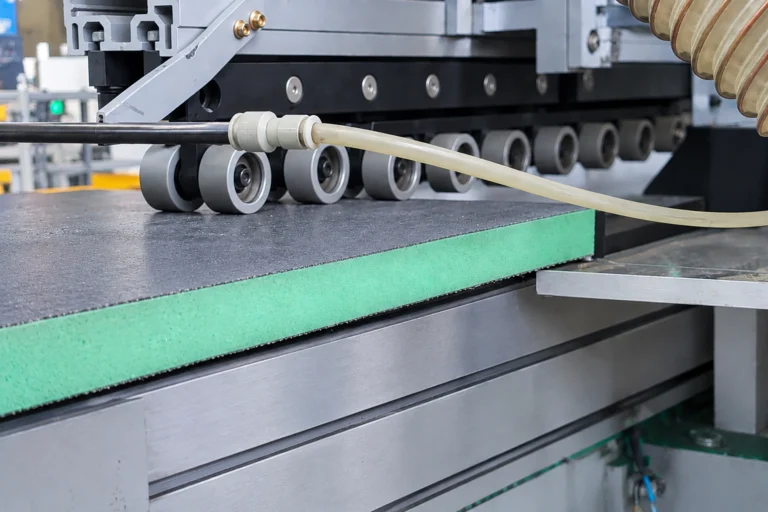
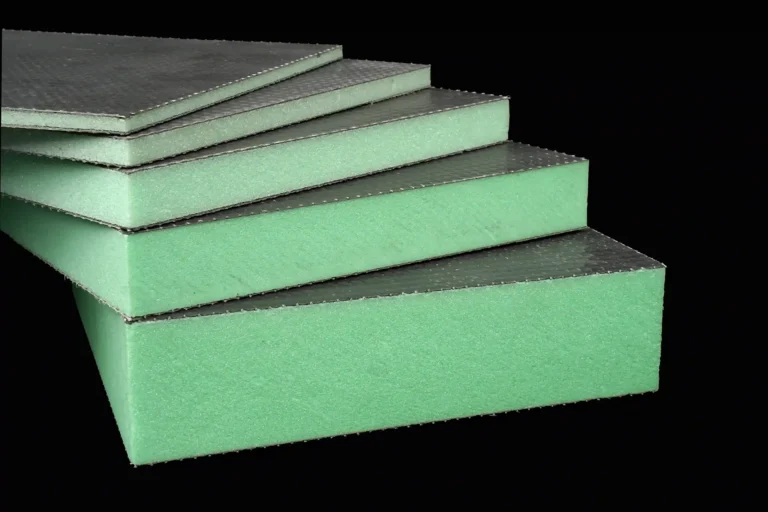
For the board itself, our 4–50 mm XPS tile backer board combines a closed-cell XPS core with polymer-modified cement coating and fiberglass mesh on both faces. Size selection does not replace thickness selection; the wall construction and support spacing still need to be checked separately.
The confirmed 40HQ table applies to the standard sheet
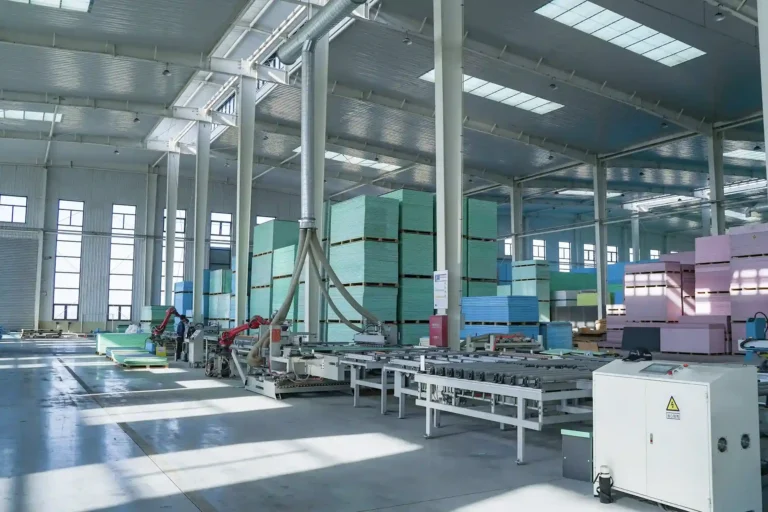
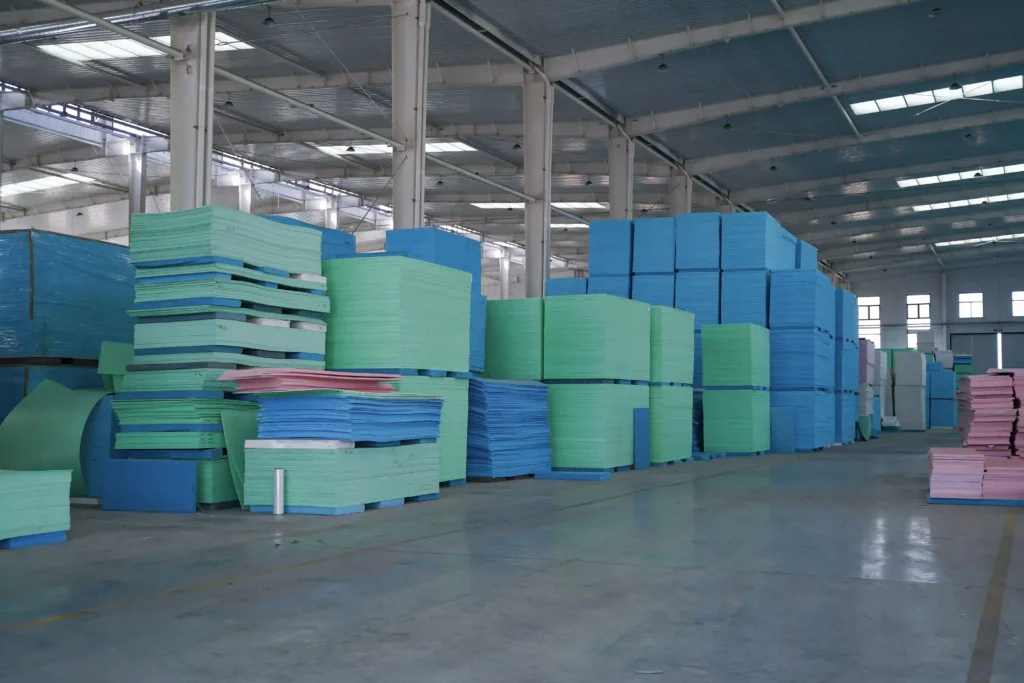
Our current factory loading figures are based on 1,220 × 2,440 mm boards, with 8 pallets per 40HQ and no mixed products assumed.
| Board thickness | Sheets per 40HQ | Sheets per pallet |
|---|---|---|
| 6 mm | 1,080 | 135 |
| 9.5 mm | 1,080 | 135 |
| 12 mm | 840 | 105 |
| 15 mm | 640 | 80 |
| 20 mm | 520 | 65 |
| 30 mm | 360 | 45 |
| 40 mm | 240 | 30 |
| 50 mm | 200 | 25 |
Use this table as the starting point for a board-only order in the stated standard size. It is not a universal calculator for every imperial size, pallet design or mixed shipment.
If you require exact 48 × 96 inch boards rather than the 1,220 × 2,440 mm production size, confirm that dimension with us before applying the figures. The difference is small, but the order documents should still describe the same product from quotation through packing list.
The per-pallet figures above are simple divisions of the confirmed 8-pallet totals. They do not describe every possible pallet pattern or a mixed pallet.
Why we will not scale the table for 36 × 60 boards
A 36 × 60 inch sheet has less than half the face area of a 48 × 96 inch sheet. That does not mean a 40HQ automatically holds more than twice as many sheets.
The container is not filled with loose face area. It is filled with packaged pallets.
Pallet footprint, stack height, edge protection, packaging, aisle and loading requirements all affect the final count. A custom size can also change how many sheets sit in each layer and how efficiently the pallet uses the available footprint.
So our answer is deliberately unglamorous: for 36 × 60 inch boards, we confirm the actual dimensions and pallet arrangement before giving a container quantity. We will not turn an area ratio into a false promise.
For projects that need non-standard dimensions, send the drawing or cutting list through the custom XPS board options and state whether the sizes are fixed or can be adjusted to improve the packing plan.
A mixed 40HQ needs one bill of goods, not separate guesses
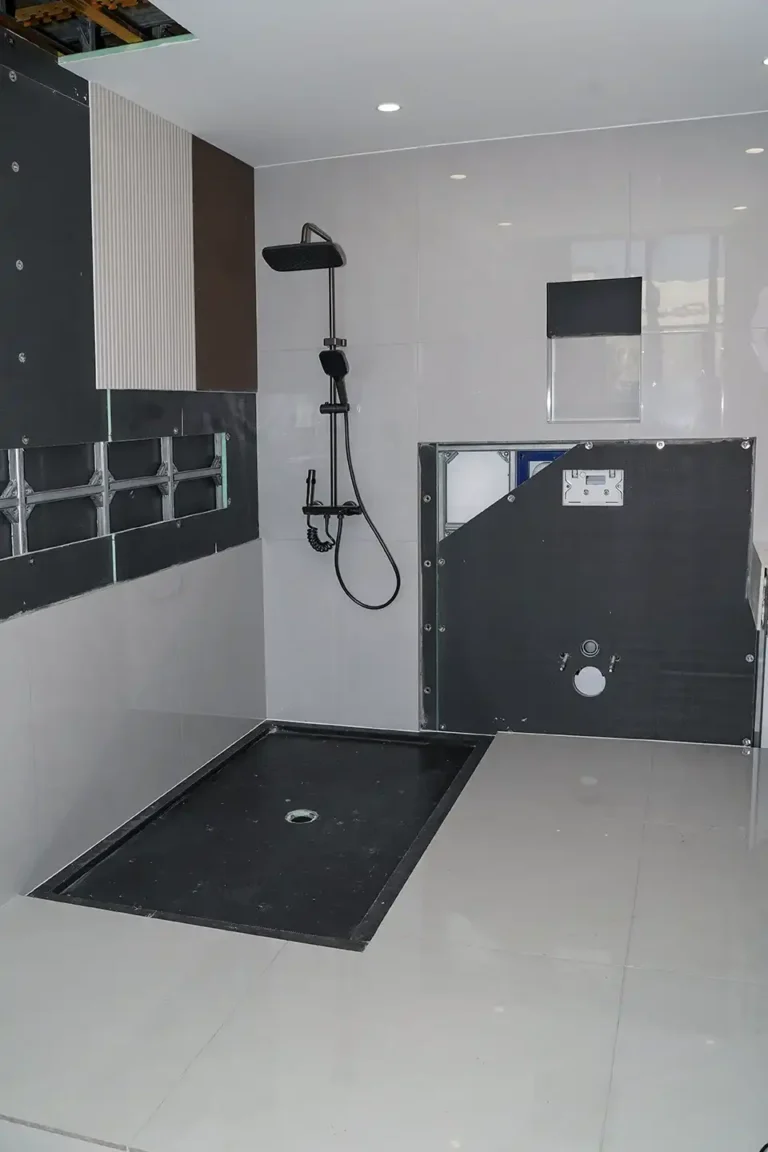
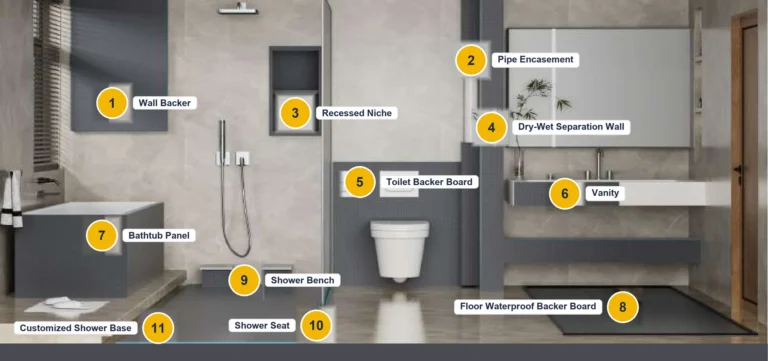
Board-only loading is the easy part. A wet-room order may also include shower trays, niches, sealant, mesh tape, screws and washers.
Those items do not share one neat sheets-per-container formula.
A tray has a different packing shape from a flat board. Small accessories may be packed in cartons and allocated around pallets. Some project orders combine several board thicknesses rather than filling the container with one specification.
This is why a mixed shipment should begin with one complete bill of goods:
- Board dimensions and thickness for each line item.
- Sheet quantity for each board specification.
- Shower tray sizes, quantities and drain configuration where applicable.
- Niche models and quantities.
- Accessory quantities, including the backer board accessories and fixings required for the installation system.
- Packaging requirements and any destination-specific unloading constraints.
With that list, we can prepare a container-by-container plan instead of filling a 40HQ with boards and then asking where the trays should go.
Volume usually sets the limit before weight
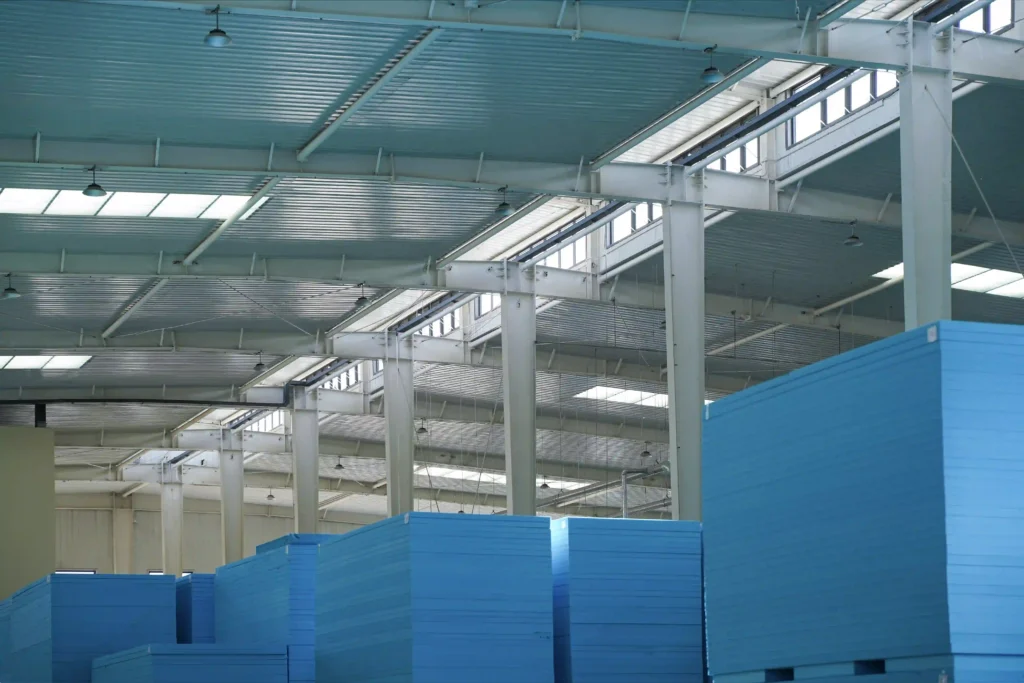
A 40HQ provides approximately 68 m³ of internal volume and about 27.5 m² of floor area. For this product, pallet volume and configuration usually become the practical constraint before the container weight limit.
Treat any reference load as orientation only. Shipping lines apply their own weight limits by route, so the loading plan for your order is always confirmed against the actual specification and the carrier’s rules before shipment.
Do not apply a single-thickness example to another thickness or a mixed load. The exact container count and final packing list are confirmed per order — send us your specification and we will work out the numbers for your shipment.
Send these details before asking for a final container count
A useful inquiry does not need a long purchasing brief. It does need enough information to remove the guesses.
Send us:
- Actual board length and width, not only “3 × 5” or “4 × 8”.
- Thickness and quantity for every board line.
- Whether dimensions are fixed or open to packing-led adjustment.
- All trays, niches and accessories that must ship together.
- Packaging, labeling or pallet requirements already agreed for the order.
- Destination port and any known unloading limitations.
We can then confirm the specification and prepare the loading plan. If the sizes or quantities change, the plan changes with them. That is normal planning work, not a problem to hide behind a fixed spreadsheet.
FAQ
Can 36 × 60 and 48 × 96 boards share one 40HQ?
Yes, they can be planned in the same shipment. The final quantity depends on the actual dimensions, thicknesses, pallet arrangement and other products in the container, so the standard board-only table cannot be applied unchanged.
Does the same thickness give the same sheet count in both sizes?
No. Thickness affects stack height, but board dimensions also affect the pallet pattern and footprint. Both must be confirmed before a sheet count is given.
Can shower trays, niches and accessories be added to the board order?
Yes. Include their models and quantities in the same bill of goods so the shipment can be planned as a mixed load rather than calculated as boards first and accessories later.
Your turn
Send us your board sizes, thicknesses, quantities, accompanying wet-room items and destination port. Within one working day, we will confirm the specifications and return a container-by-container loading plan for review. If you want to inspect the board and sealing components before finalizing the order, ask for a Project Sample Kit with board, sealant, tape and drain components.
Send your order list for a 40HQ loading plan | Review the XPS board and wet-room product range | Read the 7 questions to ask before ordering
Planning a 40HQ board order?
Tell us your board sizes, thicknesses, quantities, other wet-room items and destination port. We will confirm the board specification and send you a project sample kit.