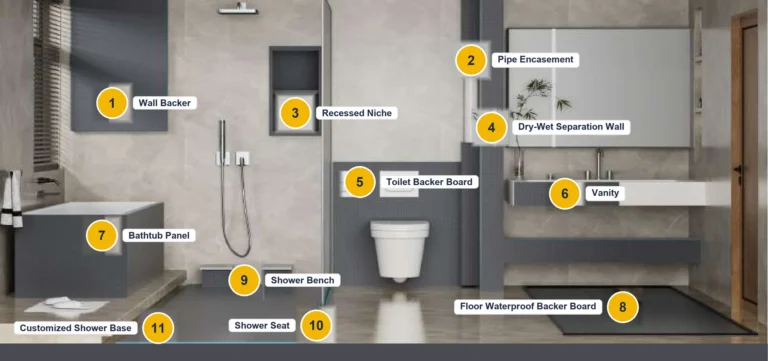
An XPS backer board sample kit is useful when it helps you approve the actual order, not when it merely proves that a supplier can send a piece of foam. The right review connects the sample to a product code, thickness, board construction, accessories and supporting documents.
A practical Project Sample Kit can include board offcuts, sealing tape, sealant and drain components. The exact contents should match what you intend to buy. Before the box arrives, write down what you need to approve; otherwise it is easy to admire the surface and miss the details that affect the order.
Start with the sample identity, not the water test
Put the shipping list, quotation reference and proposed bill of materials next to the samples. Record the product name, board size, nominal thickness, color, coating build and accessory models that the samples represent.
If the kit contains an offcut, treat it as a material and workmanship sample within its agreed purpose. Do not assume it proves the dimensions or squareness of every full-size production board. If full-sheet geometry matters, request the appropriate sample or inspection record for that order.
Keep one labelled reference piece after approval. This gives both teams a physical reference for later discussions, but it does not replace batch records or agreed acceptance criteria.
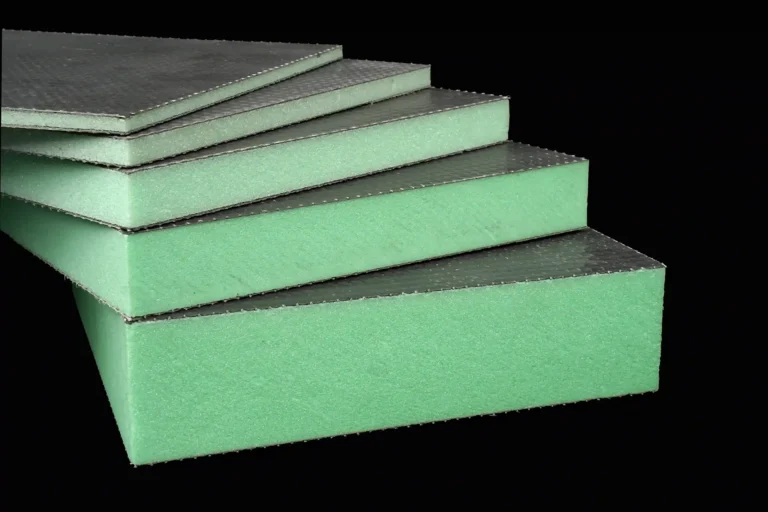
Read the cross-section as three layers
Our export board has a closed-cell XPS core, polymer-modified cementitious coating on both faces and alkali-resistant glass-fibre mesh reinforcement. On the sample, look at the core, the two faces and the board edges separately.
Check that the construction matches the agreed product description. Look for visible voids or damage at the edge, inconsistent coating coverage and areas where the mesh position or reinforcement appears different from the approved build. Photograph anything unclear next to the sample label so the discussion stays tied to the same piece.
Color can help identify a product line, but color alone is not a performance grade. Approve the construction and documents, not just the shade.
Do not calculate core density from a coated board
A coated sample includes the XPS core, two cementitious faces and reinforcement. Weighing that complete piece and dividing by its total volume gives a composite sample mass-to-volume figure. It does not isolate the core density.
If core density is an approval item, agree the test method first. The core must be isolated and measured under a defined procedure, or the supplier must provide the relevant production or test record. Our guide to reading XPS backer board density correctly explains why a single number needs its test object and conditions.
This is a useful place to slow down. A precise-looking calculation on the wrong specimen is still the wrong evidence.
Measure dimensions with the sample’s purpose in mind
For a full board, measure length and width at several positions, check thickness at agreed points, and compare the diagonals if squareness matters. Place the board on a suitable reference surface if flatness is being reviewed. Record the instruments and the actual readings rather than writing only “OK”.
For a small offcut, use the checks that remain meaningful: nominal thickness, layer construction, edge condition and any agreed machining detail. Do not invent a full-sheet tolerance from a cut sample.
If your order includes cut-to-size parts, openings or special profiles, compare the approved drawing with the sample identification and the production inspection plan. The custom XPS board cut-to-drawing service should be reviewed against drawing revision, dimensions and edge details, not against a generic rectangular offcut.
Use a site water check as screening, not certification
A simple wetting or immersion check may help you compare how a sample behaves under a defined informal procedure, but it does not reproduce a laboratory test unless the specimen, conditioning, duration, measurement and acceptance method are controlled.
If you run a comparison, keep the sample dimensions and procedure consistent, dry the surfaces in the same way, and record starting and ending observations. Do not turn a bucket test into a claimed absorption certificate.
For contractual performance, use the applicable report and its tested specimen and conditions. A photograph of water beading on a face is not proof of joint waterproofing, drain performance or a complete shower system.
Check the accessories against the joints you will build
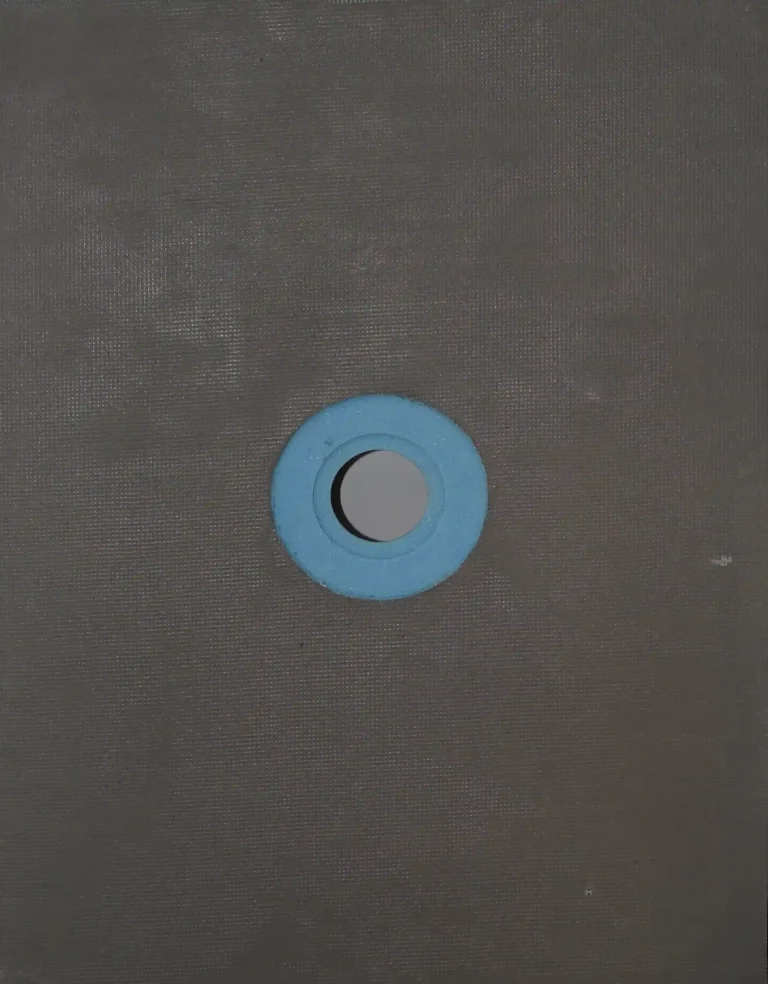
Lay out the tape, sealant and any drain components beside the board. Confirm product names, sizes and quantities against the order. Then review the actual joint and penetration details you plan to use.
The board and its accessories should be specified to work together. A tape that looks similar to another roll may have a different width, elasticity or intended joint detail. A drain component also needs the correct connection, grate and sealing arrangement for the selected tray.
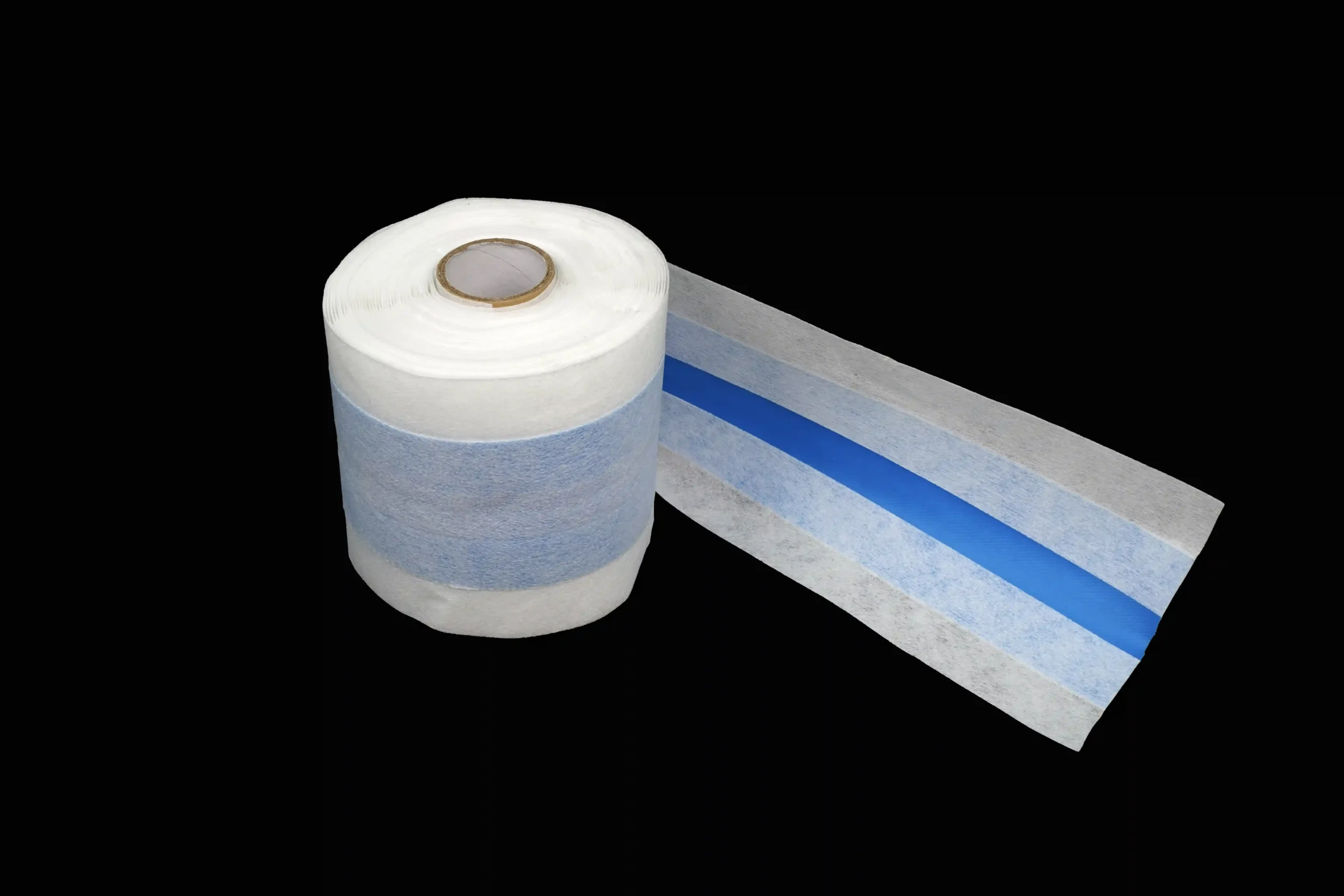
The photograph shows one tape product, not a complete kit. If your project uses mesh tape, sealant, corners, pipe collars or a drain kit, inspect and identify each relevant item separately.
Turn batch consistency into an approval record
Batch consistency is easier to manage when “same as sample” is broken into observable items. Agree which of these apply to the order:
- Product code, board dimensions and nominal thickness.
- Core and coating construction, including the reinforcement build.
- Surface appearance and an agreed way to assess acceptable variation.
- Accessory models and packaging labels.
- Inspection records, batch references and the reports applicable to the ordered products.
- The retained reference sample and a process for handling any disputed difference.
Do not promise that every surface will look pixel-identical. Define what must remain consistent, how it will be checked and what happens if a batch falls outside the agreed criteria. That is more useful than a broad consistency slogan.
Match the documents to the order, not to the logo
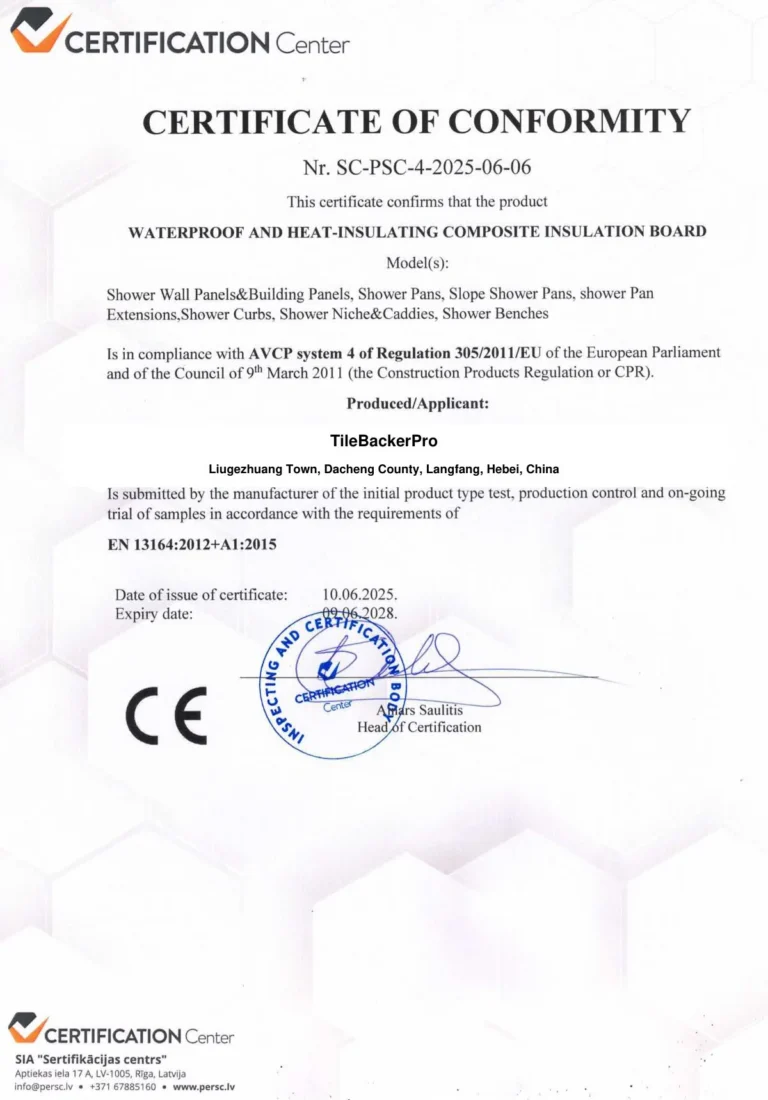
Ask which report, declaration or listing applies to the exact product and model group in your order. Check issue date, product scope, specimen identification and any conditions attached to the result.
For example, our IAPMO PS 106 report lists 71 models and identifies the specific samples tested. It should not be paraphrased as every model passing every test. Our UK buyer’s seven-question guide follows the same evidence-first approach for raw materials, density and certification.
Management-system certificates answer a different question again. They describe audited factory systems, not the performance of the sample in your hand. Keep those document types separate when building the approval file.
Sign off only when the open items are closed
Before approving production, make a short open-items list: unresolved dimensions, drawing revisions, accessory substitutions, missing reports or packaging questions. Assign each item an answer and record the final decision.
Then keep the approved sample, photographs, document references and final bill of materials together. The sample has done its job when the production order is clearer than it was before the kit arrived.
FAQ
What should an XPS backer board sample kit contain?
It should reflect the order being reviewed. A Project Sample Kit can include board offcuts, sealing tape, sealant and drain components. Confirm the relevant contents, product identities and shipping arrangements with the supplier before dispatch.
Can I weigh a coated sample to verify the XPS core density?
Not directly. A complete coated sample contains the core, both cementitious faces and reinforcement. Core density requires an agreed method that isolates and measures the core, or supporting production and test records for that property.
Does a small offcut prove full-board squareness and flatness?
No. An offcut can show construction, thickness and edge workmanship within its agreed purpose. Full-board dimensions, squareness and flatness need an appropriate full-size specimen or inspection record.
Is a home immersion test equivalent to a laboratory absorption report?
No. An informal comparison can be useful if the procedure is consistent, but laboratory claims require the specified specimen, conditioning, duration and measurement method. Use the applicable report for contractual evidence.
How do I use an approved sample to manage batch consistency?
Retain a labelled reference sample and convert “same as sample” into agreed checks for construction, dimensions, appearance, accessories, labels and records. Define the acceptance and dispute process before production rather than relying on a general promise.
Your turn
Send your target board sizes, thicknesses, accessories and the properties you need to approve. We will propose a Project Sample Kit that matches the order and respond to the technical checklist within one working day. Shipping contents and arrangements are confirmed before dispatch, so you know exactly what the samples represent.
Request an order-specific sample kit | Review the board and wet-room product range | Use the seven-question buyer checklist
Approving samples before a board order?
Tell us your board sizes, thicknesses, accessories and approval criteria. We will confirm the specification and the right project sample kit contents for your review.