
Specialized Waterproof Sealant
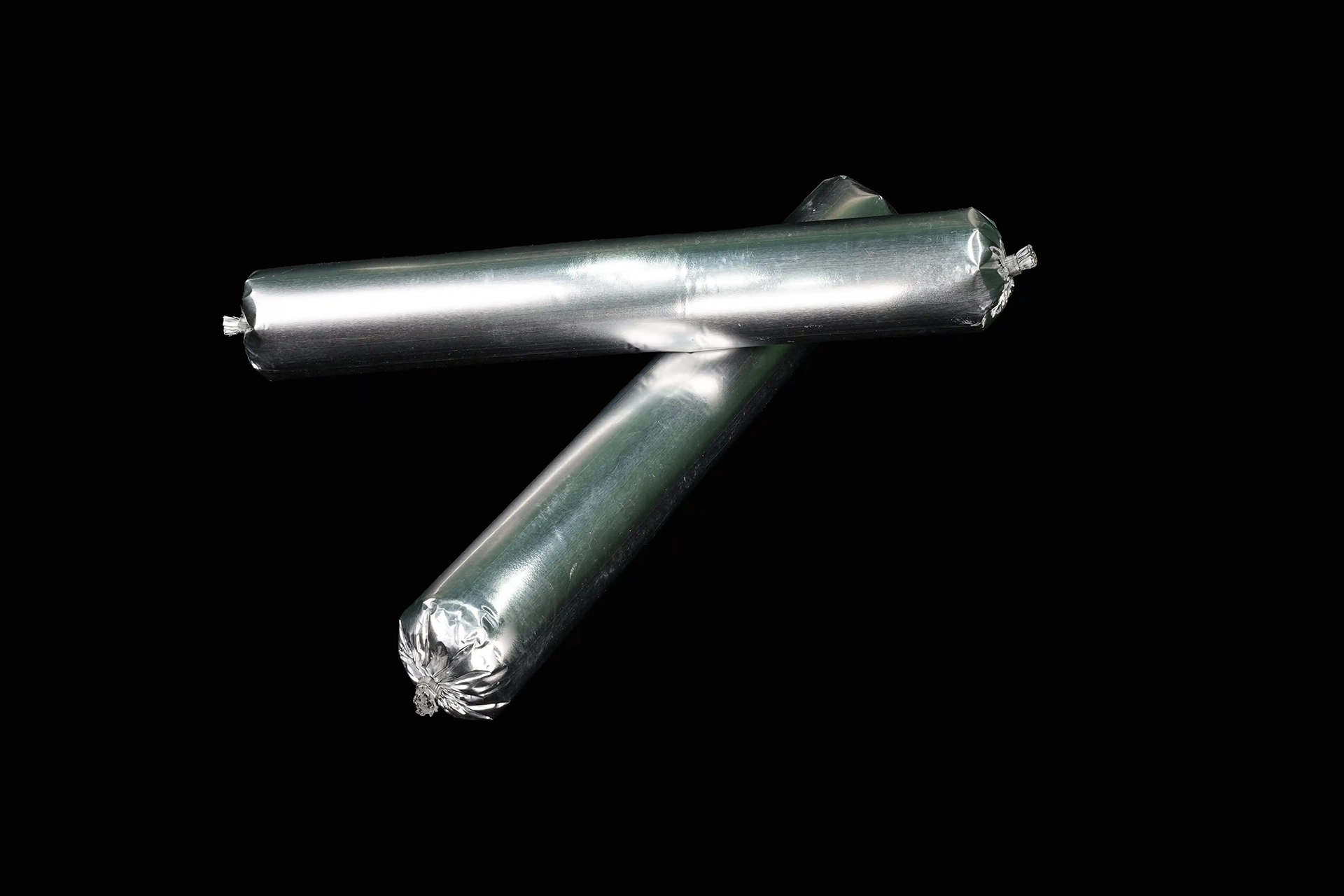
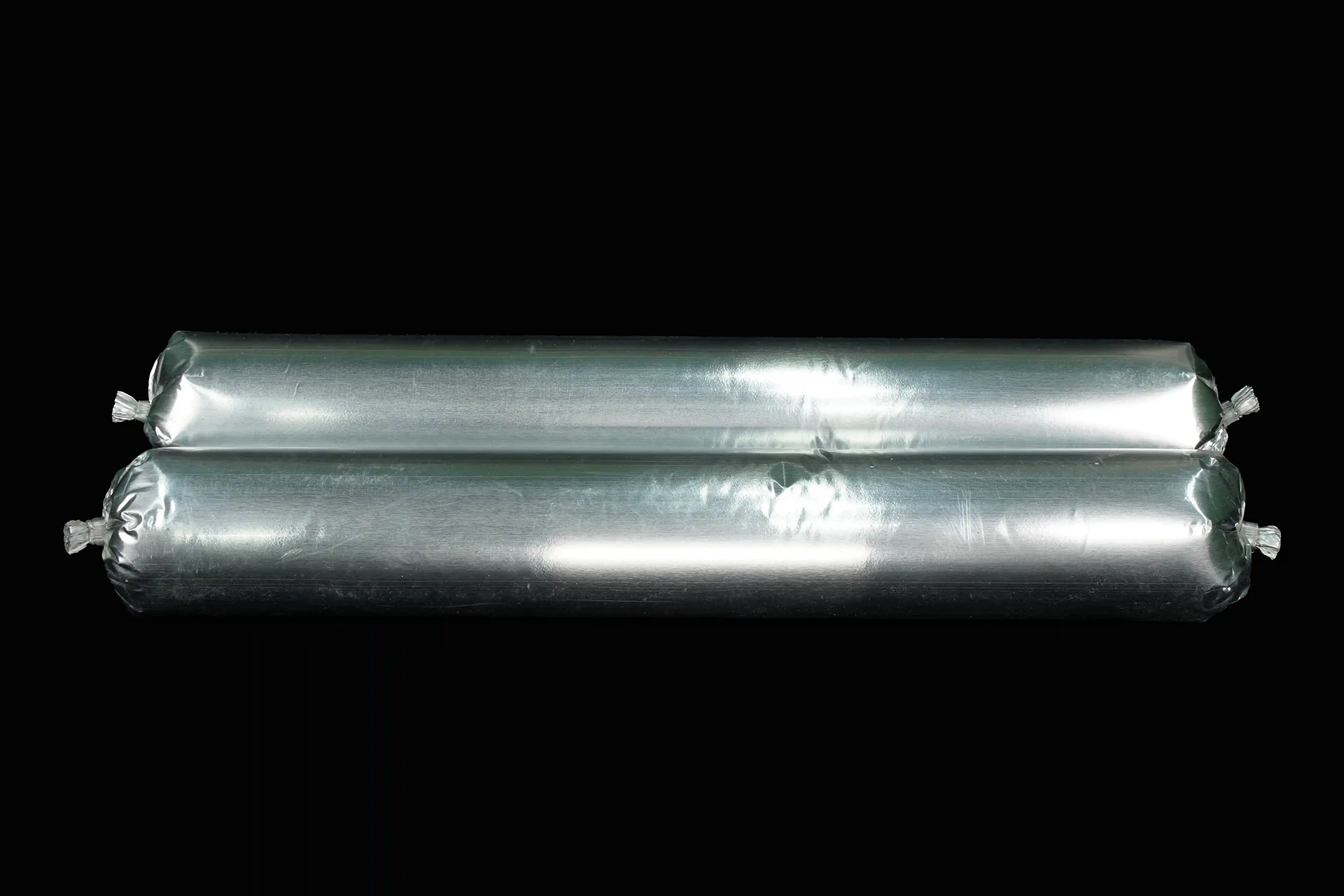
The joint is only as waterproof as what fills it. Our specialized sealant beds the mesh, seals every seam and penetration in the board system, and cures elastic so the joint moves with the building instead of against it. Cartridges and bulk supply.
| Type: | Elastic waterproof sealant |
| Use: | Joints, seams, penetrations |
| Pairs with: | Mesh fabric, elastic tape |
| Packaging: | Cartridges, bulk on request |
Overview
Every waterproof board system has the same weak link, and it is never the board. It is the seam. Two perfect boards butted together leave a gap, and the gap decides whether the wall behind the tile stays dry for decades or starts an argument with the ceiling below in year two. The sealant is the product that answers for the gap.
This is the sealant our system is built around: a continuous, unbroken bead across every butt joint, a bed under the self-adhesive mesh, a fillet along every internal corner, a ring around every pipe penetration. Cured, it stays elastic — the building flexes, the joint flexes, and nothing cracks. That elasticity is the whole reason a board system can promise no separate waterproofing membrane: the board is the layer, and this is what makes the layer continuous.
The working rule on site is simple and worth printing on the box: never let a bead break. A joint that stops and restarts is a joint with a leak path in it, whatever the datasheet says. Run the full seam in one pull, tool it flat, lay the mesh into the wet bed, and the seam is done once — not patched twice.
One honest boundary: sealant is chemistry, and chemistry has manners. Apply it within the temperature window on the cartridge, on clean and dry surfaces, and give it its curing time before the flood test. And buy it by the cartridge for single rooms — shipping liquid in small orders costs more than it saves.
Applications
Board butt joints and corner seams
Pipe penetrations and fastener points
Floor-to-wall junctions in wet rooms
External seams in shower systems
Fixing
Run a continuous bead across the joint — no stops. Butt the boards to squeeze the bead slightly, then lay the self-adhesive mesh into the wet sealant and skim it flat with a plastic trowel, about half a millimetre of coverage. Tool internal corners with a corner trowel, seal every penetration, and respect the curing time before the flood test. Cold joints are leak paths; the only good bead is the unbroken one.
Complete the System
One material system, one fixing pattern — these usually ship together.